
Content warning: suicide
The latest LeDeR report was published this week and the Government has announced it will be the last report of its kind. LeDeR stands for Learning from Lives and Deaths of people with a learning disability and autistic people. When an eligible death is reported to LeDeR, a review is carried out so that local organisations can understand what happened and identify changes that could help prevent similar deaths in future. Information from reviews across England has also been brought together and analysed in a national report each year. The latest report mainly looks at people who died in 2024 and what was learned from reviews of their deaths.
The 2024 LeDeR findings demonstrate that national review of these deaths is still urgently needed, along with action to make things better, which is long overdue. Almost a decade after LeDeR began and much, much longer since the problem was first recognised, adults with a learning disability continue to die younger and more often by avoidable deaths than other people. The new LeDeR report includes a chapter on the deaths of autistic people who do not have a learning disability, which is welcome. But the numbers are small: 285 deaths were reviewed in depth, across four years combined. The report itself says these findings are not representative of all autistic people who died and are not solid enough for proper statistics. It also does not say how many of the people with a learning disability were also autistic. This means the data we need to learn from is still not there. That is not good enough.
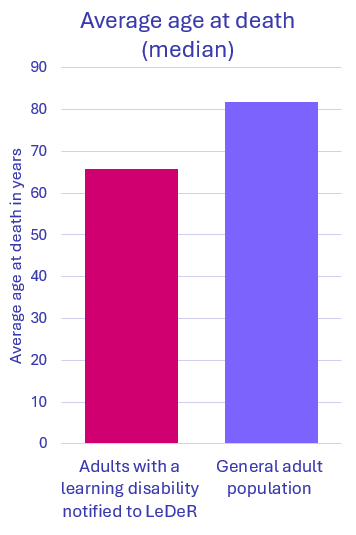
Some findings from the new report
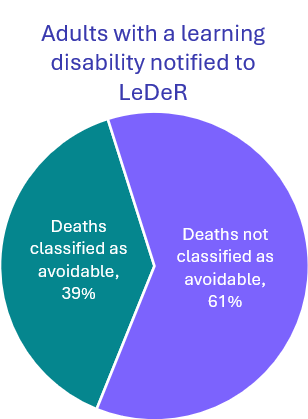
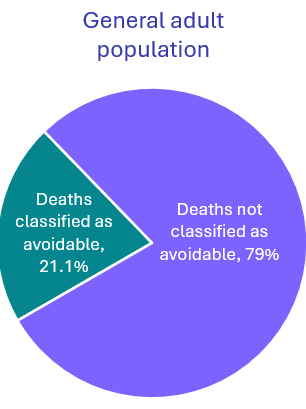
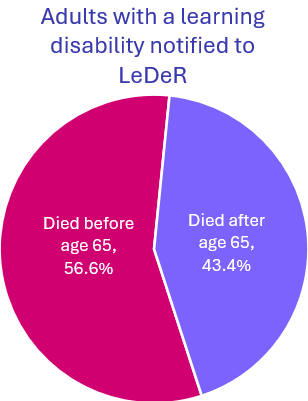
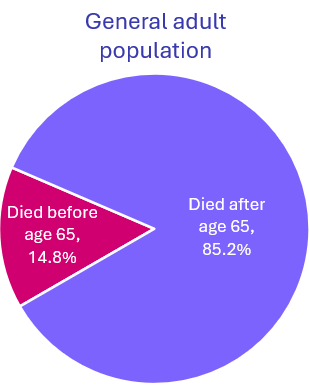
Even with the data we already have, we know that suicide in autistic people needs to be addressed. The Government’s statement says, “We are committed to delivering the Suicide Prevention Strategy for England, which aims to reduce the number of lives lost to suicide and highlights the need to provide tailored, targeted support to priority groups including autistic people.” However, the delivery date for the four actions in that strategy relating to autistic people have all passed except one about learning from the LeDeR programme. That action says it will identify areas for improvement to prevent suicides, but there has been no reporting on how this is progressing, if at all.
What is going to happen instead of the LeDeR report? The Ministerial Statement says that “NHS England has worked with clinicians, people with lived experience, charities and ICBs to improve the LeDeR review process”. We have not heard any information about that process and hope more details will be provided soon. The statement also says LeDeR data will be incorporated into a new dataset covering autism, ADHD, learning disability and Down syndrome.
Better joining up between GP data, hospital data, mental health data and data about deaths really could help us understand health inequalities. However, there are some areas for concern. The statement says the Government will publish the dataset, but it does not say which LeDeR data will be included. The Government does not say whether it will look at what the data shows, say publicly what has got better or worse, and set out what it will do about that. Publishing figures is not the same as answering for them. The national LeDeR report was often delayed. However, when it was published, the Government was expected to respond to its findings. That gave autistic people, people with learning disabilities, and those who support them the chance to see what had got better, what had got worse, and what the Government was going to do about it.
What we are asking the Government to do
Autism Action is calling on the Government to:
- Continue annual national reporting. The confidential LeDeR findings should not just sit on a website. They should be reviewed and reported publicly each year, with the Government explaining what action it has taken, what progress has been made and what further action is required.
- Clarify what Integrated Care Boards must do. Integrated Care Boards are the local NHS bodies that plan and buy healthcare for an area. The Government should make it clear to them that they must keep reviewing deaths through the LeDeR process.
- Close the national data gap on autistic deaths. The new arrangements must improve the data about deaths of autistic people with and without a learning disability so that it can really be learned from.
- Explain which actions from the national suicide prevention strategy have been completed or are in progress in relation to autistic people.
LeDeR was established as a means to an end: to learn why people with a learning disability and autistic people die prematurely, improve care and prevent avoidable deaths. Not enough has changed. The Government’s statement says that adults with a learning disability dying on average 19 years younger than the general population ‘remains unacceptable’. This means more action needs to be taken. Changing the LeDeR reporting system must not lead to things getting worse instead of better.
This article discusses deaths by suicide. If you’re looking for support, you can find ideas via our resources page.
If you’d like to support this work and receive updates you can do so via the form below.